Digitalizing Operations: Scaling Fleet Management
Redesigning mission-critical workflows for India's largest ride-hailing platform, improving process efficiency by 80% through strategic automation and high-density data visualization.
Executive Summary
The Mission
Transform fragmented, paper-based fleet operations into a real-time digital command center.
Complexity
Managing high-density data for non-technical operations staff in high-pressure environments.
Methodology
Direct field research with drivers and strategic design workshops with executive leadership.
Outcome
80% faster processing of fleet management tasks and significant reduction in manual errors.
Behavioral Shift: From Chaos to Control
Before (Legacy Friction)
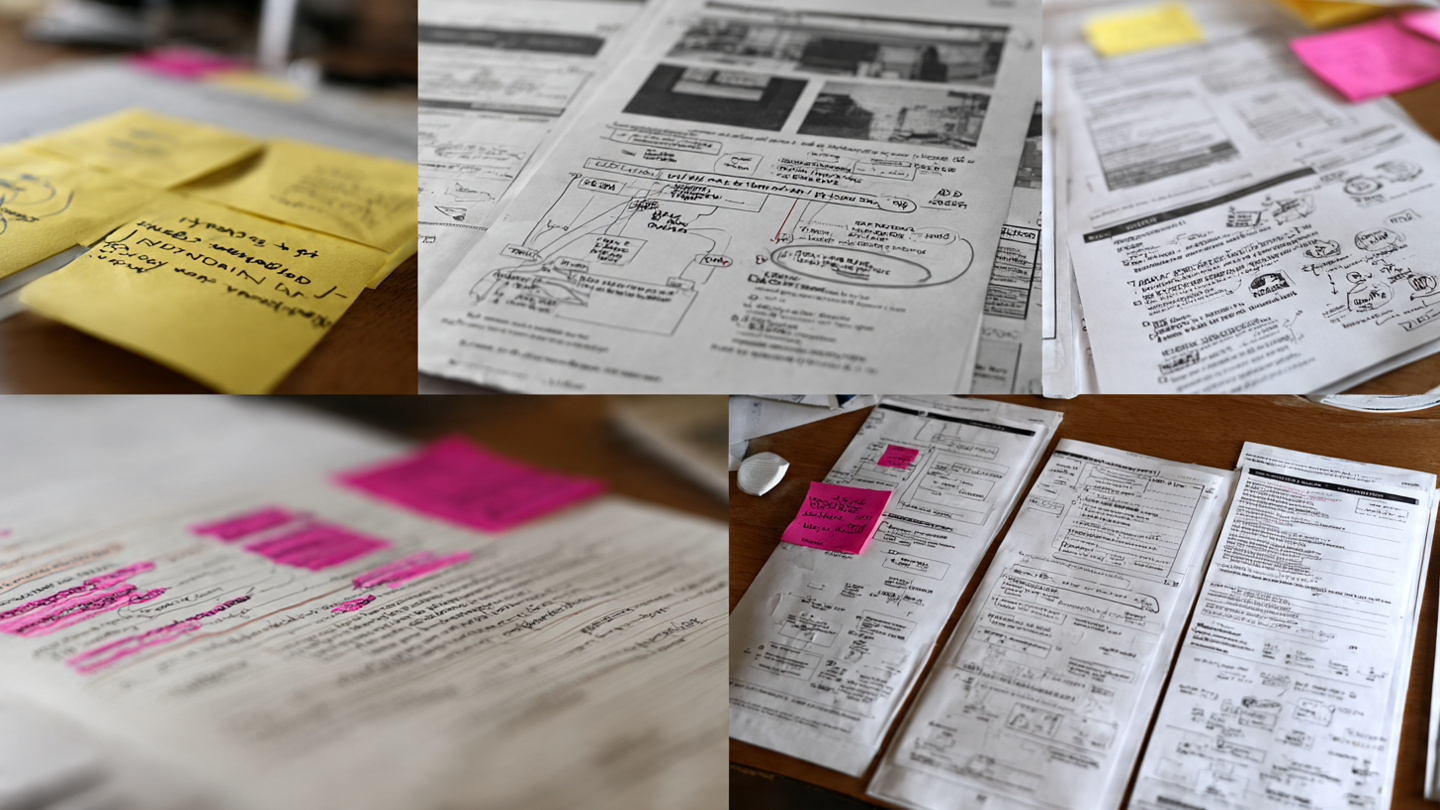
- • Critical fleet data tracked on physical whiteboards and spreadsheets.
- • Operations teams overwhelmed by complex, non-intuitive legacy software.
- • High latency in identifying and resolving driver-partner issues.
After (Digital Precision)
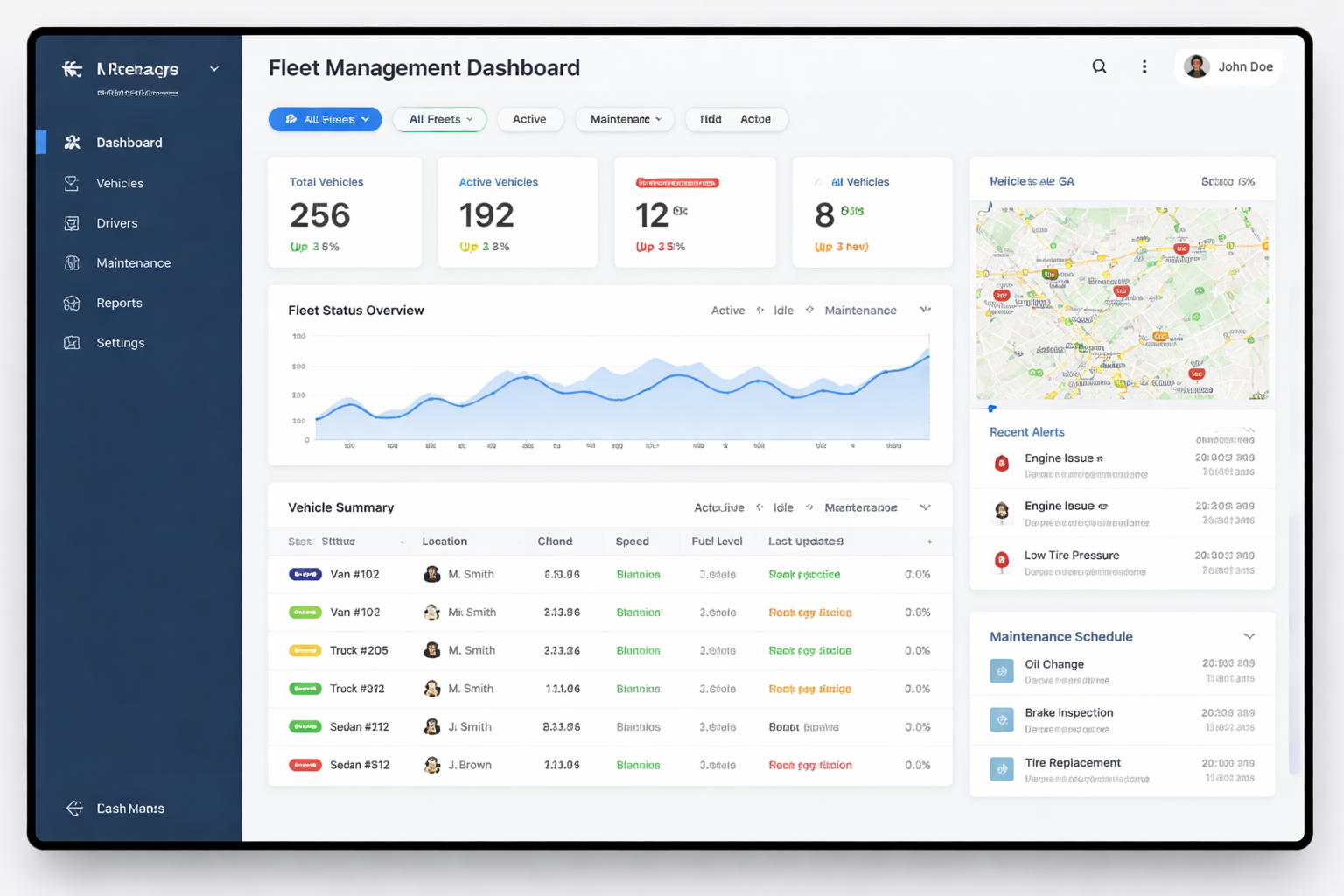
- • Real-time data visualization allowed for immediate operational decisions.
- • Streamlined interfaces optimized for rapid-fire task completion.
- • Automated workflows removed 80% of manual data entry steps.
Strategic Execution
1. Immersive Field Research
I conducted extensive field studies at driver hubs and operations centers. By shadowing fleet managers, I identified that the "human problem" wasn't lack of data—it was cognitive overload. The solution required ruthless prioritization of information.
2. High-Density Data Visualization
Designed customized dashboards that balanced large datasets with clear hierarchy. I used progressive disclosure to ensure fleet managers only saw critical alerts while keeping deep-dive data just one click away.
3. Executive Alignment
Facilitated design thinking workshops with VPs and Product Directors. This ensured the operational redesign aligned with the broader business goal of reducing churn and increasing fleet uptime.
Strategic Assessment (SWOT)
Strengths
Unmatched speed in task completion; built specifically for the high-pressure ops environment.
Opportunities
Potential to integrate predictive AI to flag vehicle maintenance needs before they occur.
Weaknesses
Initial resistance from long-term staff accustomed to manual paper-based tracking.
Threats
Dependency on reliable network connectivity in remote fleet hubs.